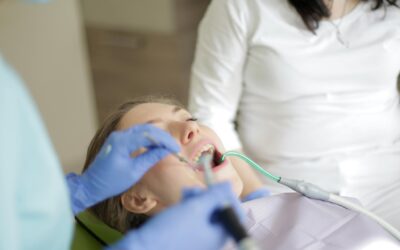
At Family Dental & Advanced Implant Center, every patient’s journey toward optimal dental health begins with understanding how advanced technologies can transform care. Rather than overwhelming you with jargon or abstract concepts, we focus on clear explanations that show how digital radiography, laser dentistry, and AI-driven diagnostics work together to enhance accuracy, comfort, and efficiency in modern practices.
These technological breakthroughs aren’t just about cutting-edge equipment; they’re about a patient-first approach. By integrating state-of-the-art tools into everyday procedures, the practice ensures that every visit is not only more precise but also more reassuring—helping to demystify dental care while setting new standards in quality and safety.
By exploring these innovations, we invite you to discover how a blend of advanced technology and compassionate care can lead to better outcomes. Whether you’re curious about the benefits of digital imaging or eager to learn about minimally invasive procedures, this discussion aims to provide you with valuable insights into why modern dentistry is transforming patient experiences.
Embracing Innovation in Dentistry
The landscape of dental care has evolved dramatically over recent decades. Today’s advanced technologies are not just tools for professionals—they’re game-changers that redefine what patients can expect from their dental visits. From digital radiography to laser dentistry and AI-driven diagnostics, these innovations have transformed the way dentists approach treatment plans.
Digital radiography, for example, has revolutionized diagnostic imaging by offering clearer, more detailed images with significantly less radiation exposure than traditional X-rays. This not only improves accuracy in detecting issues but also reduces patient discomfort during the process. Laser dentistry, on the other hand, provides a minimally invasive alternative to conventional methods, making procedures faster and recovery times shorter.
AI-driven diagnostics further enhance this transformation by analyzing vast amounts of data to provide insights that might be missed through traditional methods alone. By leveraging these technologies, dental professionals can offer more personalized treatment plans tailored to each patient’s unique needs. This shift towards precision medicine ensures that every aspect of care is optimized for the best possible outcomes.
In addition to their clinical advantages, these advanced tools also contribute to a more comfortable and efficient patient experience. Digital impressions eliminate the need for messy molds, while sedation dentistry options make even complex procedures less stressful. By integrating these technologies into daily practice, dental professionals ensure that every visit is as pleasant as possible.
At Family Dental & Advanced Implant Center, embracing innovation isn’t just about staying current with trends—it’s about prioritizing patient comfort and care above all else. From the moment you step through our doors until your treatment is complete, we strive to deliver a seamless experience where technology and compassionate care work together harmoniously.
Digital Radiography: A Leap Forward in Precision
In the realm of dental diagnostics, digital radiography stands out as one of the most significant advancements. This technology has replaced traditional film X-rays with digital sensors that capture images more efficiently and accurately. Unlike conventional methods, which require developing films chemically, digital radiography provides instant results on a computer screen.
One of the primary benefits is reduced radiation exposure. Digital radiographs emit up to 90% less radiation than traditional X-rays, making them safer for both patients and dental professionals. This reduction in radiation is particularly beneficial for children and pregnant women who may require frequent imaging.
The enhanced image quality offered by digital radiography allows dentists to diagnose issues more accurately. The high-resolution images can reveal even the smallest details, enabling early detection of cavities, bone loss, and other oral health problems. Additionally, these digital images can be easily stored, shared, and compared over time, facilitating better long-term monitoring of a patient’s dental health.
Digital radiography also streamlines workflow in the dental office. With instant access to clear, detailed images, dentists can make faster and more informed decisions about treatment plans. This efficiency not only saves time but also ensures that patients receive timely care when they need it most.
Laser Dentistry: Minimizing Discomfort, Maximizing Results
Laser dentistry represents another groundbreaking development in modern dental care. By using focused beams of light to perform various procedures, lasers offer a minimally invasive alternative to traditional methods. This technology is particularly effective for treating both hard and soft tissues in the mouth.
One key advantage of laser dentistry is its ability to reduce patient discomfort during procedures. Lasers often eliminate the need for anesthesia or significantly reduce its use because they cause less pain than drills or other conventional tools. Additionally, lasers promote faster healing times due to their precision and minimal tissue damage.
The applications of laser dentistry are diverse and include cavity detection, gum reshaping, teeth whitening, and more. For example, lasers can detect cavities at an early stage by identifying changes in tooth structure that might not be visible through traditional methods alone. This early detection allows for timely intervention before issues progress.
Laser dentistry also plays a crucial role in cosmetic procedures like gum reshaping. By precisely targeting and removing excess gum tissue, lasers can improve the appearance of teeth without causing significant discomfort or requiring extensive recovery time. Similarly, laser-assisted teeth whitening treatments provide quick and effective results that enhance smiles with minimal hassle.
AI-Driven Diagnostics: Enhancing Accuracy and Efficiency
The integration of artificial intelligence (AI) into dental diagnostics represents a significant leap forward in precision medicine. AI-driven tools can analyze vast amounts of patient data to provide insights that might be overlooked through traditional methods alone. By leveraging machine learning algorithms, dentists gain access to powerful diagnostic capabilities that enhance both accuracy and efficiency.
One area where AI excels is in predicting potential oral health issues before they become serious problems. For instance, AI can analyze patterns in dental images or patient histories to identify early signs of disease such as gum inflammation or tooth decay. This predictive capability allows for proactive treatment plans that address issues before they worsen.
AI-driven diagnostics also contribute to personalized treatment plans by analyzing individual patient data. By considering factors like age, medical history, and lifestyle habits, AI can tailor recommendations specific to each person’s needs. This level of customization ensures that every aspect of care is optimized for the best possible outcomes.
Patient-Centric Innovations: Comfort and Convenience
Advanced dental technologies not only improve clinical outcomes but also contribute significantly to a more comfortable patient experience. From digital impressions to sedation dentistry, these innovations ensure that every visit is as pleasant as possible.
Digital impressions represent one such advancement that eliminates the need for messy molds traditionally used in creating dental restorations like crowns or bridges. By using optical scanning devices, dentists can capture detailed images of teeth quickly and comfortably without causing any discomfort to patients.
Sedation dentistry options provide another layer of comfort by making complex procedures less stressful. Whether through nitrous oxide (laughing gas), oral sedatives, or intravenous (IV) sedation, these methods help alleviate anxiety during treatments ensuring a relaxed experience throughout the process.
Looking Ahead: The Future of Dental Care
The advancements in dental technology are continually evolving, promising even more exciting developments on the horizon. As research progresses and new tools become available, patients can expect an increasingly personalized approach to oral health care.
From enhanced diagnostic capabilities through AI-driven analytics to minimally invasive procedures facilitated by laser dentistry, these innovations will continue reshaping how dental care is delivered. At Family Dental & Advanced Implant Center, we remain committed to staying at the forefront of these developments, ensuring that our patients benefit from the latest advancements in technology and treatment methods.
We invite you to join us on this journey toward better oral health by scheduling an appointment with a professional team dedicated to providing exceptional care tailored just for you. Experience firsthand how modern dental technology can transform your dental visits into positive experiences focused on comfort, precision, and optimal outcomes.